Fun on the water is one of the biggest reasons we love our lakes Lake Minocqua and Lake Kawaguesaga — whether it’s a fishing boat, a canoe, paddle board, power boat or a personal watercraft. The four leading causes of tragic watercraft crashes and the leading cause of death is drowning, operator inexperience, inattention, recklessness and speeding. And reckless driving adds to damage and alteration of our natural shorelines.
Crash statistics indicate boaters who wear life jackets and take boater safety courses are most likely to stay safe on Wisconsin waters.
Do you need to take a boaters safety course to get a Wisconsin boating license?
You need boater education if you are at least 12 years old, were born on or after January 1, 1989, and will be operating a motorboat or PWC in Wisconsin.
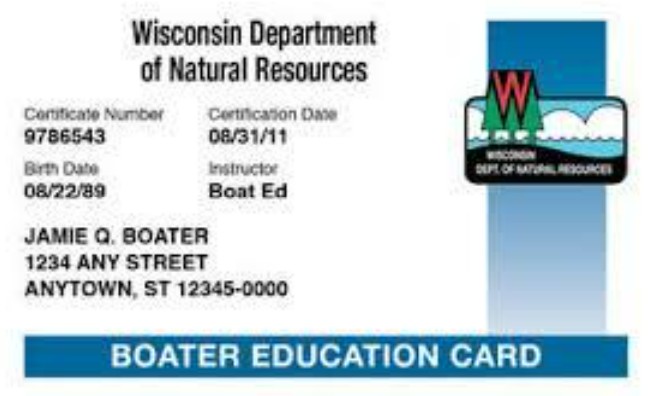
- See link below for more information on boater safety courses and licensing.
- For basic safety tips and how to safely enjoy Wisconsin’s great lakes and rivers with family and friends, visit these DNR pages:
LINK:Boat Safety andOfficial Wisconsin Boating Licensing Online
LINK:MKLPA Water Safety Program updates
BOATER SAFETY IMPACTS ON NATURAL SHORELINES
Ignoring boater safety rules and no-wake zones can cause severe damage to natural shorelines through erosion and habitat destruction. Large wakes erode banks, destabilize land, and damage vegetation, while also disrupting wildlife and aquatic ecosystems. No-wake zones are designed to prevent these issues by minimizing the wave energy from boats.
Be responsible and take care of our beautiful lakes!
Shoreline erosion and damage
- Erosion and bank destabilization: Powerful boat wakes act like a constant wave action, which can gradually erode and destabilize shorelines. This undercuts trees, roots, and sandy banks, causing the land to slump into the water which accelerates total phosphorous impacts.
- Vegetation loss: Wakes can damage or destroy shoreline vegetation that is vital for stabilizing the soil. This loss can exacerbate erosion and degrade habitat.
- Alteration of geography: Long-term, unchecked erosion can alter the physical geography of shorelines and coastal areas.
Environmental impacts
- Habitat destruction: Erosion from large wakes can damage or destroy critical wildlife habitats, such as marshes, wetlands, and other sensitive environments. These can be especially harmful to Loons and Loon nesting areas.
- Disruption of aquatic life: Wakes can resuspend lake sediment, which decreases water clarity and can harm fish and other aquatic species. They can also damage aquatic plant communities and disturb aquatic fauna like birds and fish.
- Spread of invasive species: Boating in areas with high wake activity can increase the risk of spreading aquatic invasive species from one water body to another.