
“ . . .I have become satisfied that the destruction of trees bordering on these streams and the changed conditions of the banks produced thereby, has resulted in the destruction of the natural harbors or hiding places of the trout . . .”
— J. F. Van Cleef, American Fisheries Society, 1885.
As early as 1885, people were beginning to understand that fish and other aquatic life do not always adapt to changes on the land around their home. Replacing naturally vegetated shorelands with managed landscapes such as lawns, golf courses, and cropland can harm water quality when runoff carries soil, pesticides and fertilizers into lakes and rivers. One of the easiest ways to detect a change in water quality is to watch for a change in water clarity. When you notice a change, so will the fish. Many species of fish rely on sight to find their food, and if the water is dirty, it becomes difficult for some fish to find food. As water quality decreases, insects and many other delicacies also begin to disappear. Among the first to go are caddis flies and mayflies, the favorite food of trout.
Rain water and snow melt can become nutrient-laden as they run across lawns and gardens, picking up excess fertilizers that have been applied. These nutrients can cause excessive aquatic weed growth that reduces the oxygen supply in lakes and rivers. This change favors populations of carp, catfish, suckers and other rough fish that are more tolerant of low oxygen conditions. Oxygen levels can be lowered further as rough fish remove the oxygen-producing plants found on the beds of lakes and rivers and as people clear shoreland vegetation that shades the water. Cooler water holds more oxygen and reduces stress on fish and other aquatic creatures. A few degrees difference in temperature can have a major effect on their survival. It’s important to keep even tiny brooks not big enough to hold fish cooler because the cool water, rich in oxygen, eventually reaches fish downstream.
Insects, the favorite food of many fish, are abundant in waters kept cool by waterfront vegetation. Leaves, twigs, and other organic matter from shoreland vegetation that fall into the water provide both lunch and breeding grounds for aquatic insects. These insects in turn feed fish and many others up the food chain. Besides providing insects with the food and cover they need, trees supply woody cover for lakes and rivers, such as fallen logs and branches. In Wisconsin lakes, over 15 different fish species at a time may inhabit a single downed tree. Birds and turtles can also be found using woody cover along the shore as resting places and basking spots.
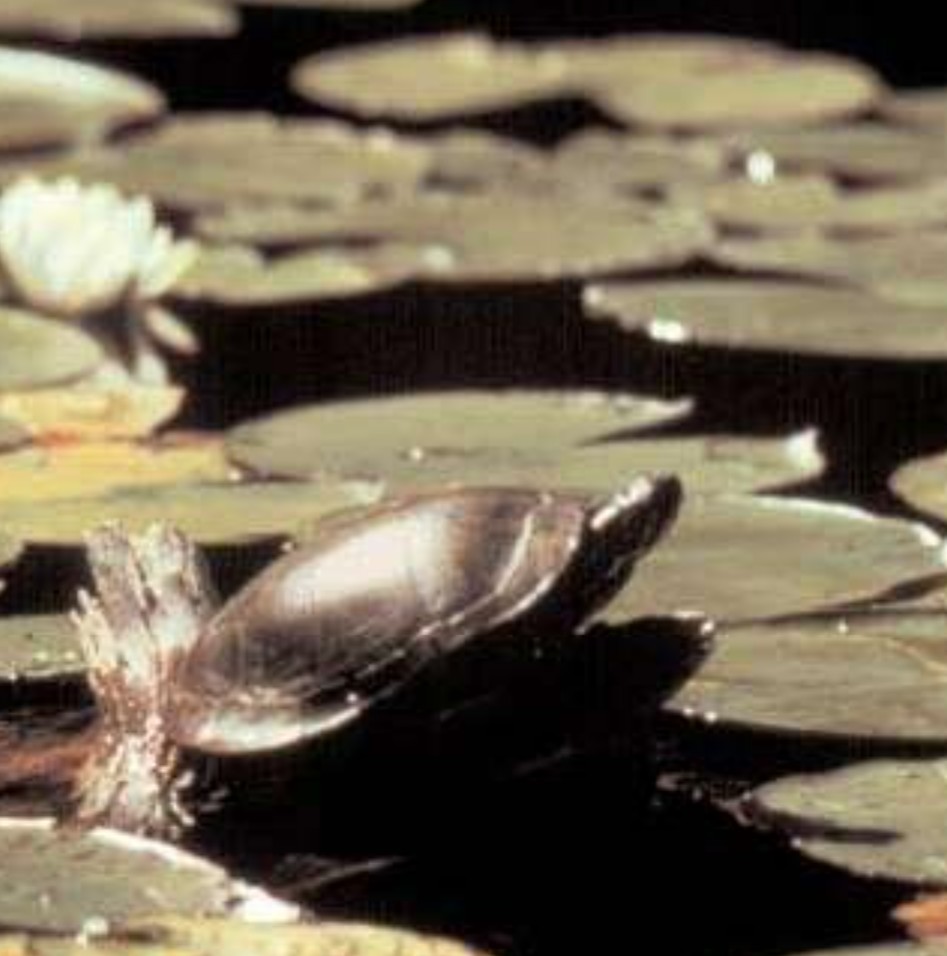
The rich diversity of emergent, floating, and submerged plants located just offshore provide important habitat for many aquatic animals. Some fish, like bluegills, graze directly on the leaves and stems of these aquatic plants, while other fish feed off the bugs and other critters found living on or beneath the plants. These shallow plant beds are important spawning areas for a number of fish including bass, bluegills, and northern pike.
Besides helping fish, aquatic plants offer food, shelter, and nesting materials for waterfowl, shorebirds and aquatic mammals such as mink and muskrats. Beds of aquatic plants hide young ducklings from predators and provide protection from wave action. Loons also depend on these plants to build their mounded nests.
As our shorelands become more developed, these important aquatic plants and the habitat they provide are vanishing.
In Minnesota, researchers found that developed shorelands had on average 66% less floating and emergent plants than undeveloped shorelands. Researchers in Wisconsin recorded even more dramatic losses of plant species for developed shorelands— 83% to 92% fewer species than undeveloped shorelands. As the aquatic plants disappear, the fish and other animals that rely on them may not be too far behind.